Must-Know Info About Costa Rica Coffee From A Former Bean Picker
Article last updated on June 4, 2025. Note that an old date may indicate that an update is not required, not that the text is outdated.

Article written by Nikki Solano
Nikki is the CEO of Pura Vida! eh? Inc. (Costa Rica Discounts), the creator and narrator of Spotify's Costa Rica Podcast with Nikki Solano, and the author of the guidebooks Moon Costa Rica (2019, 2021, 2023, and 2025 editions) and Moon Best of Costa Rica (2022 edition) from Moon Travel Guides. Together with her Costa Rican husband, Ricky, she operates the Costa Rica Travel Blog, created the online community DIY Costa Rica, built the Costa Rica Destination Tool, and designed the Costa Rica Trip Planning 101 E-Course. In addition, Nikki has written about or presented Costa Rica on Rick Steves' Monday Night Travel show and podcast/radio show, in Wanderlust Magazine, and for Essentialist. Want to show your appreciation for her free article below? Thank Nikki here. ❤️️

Get the Costa Rica info you need by browsing our article's TABLE OF CONTENTS:
- Are you an informed coffee drinker?
- A typical workday on a Costa Rica coffee plantation
- An unsettling reality about working at a Costa Rica coffee plantation
- The physical and mental toll that it takes to work at a Costa Rica coffee plantation
- A lasting impression from Ricky’s Costa Rica coffee plantation work experience
- Photos from some of our experiences with Costa Rica coffee plantations and shops
Are you an informed coffee drinker?
If you drink coffee often, you’re probably someone who savors its flavors, has a preferred blend, and knows exactly how you like the drink to be prepared. If perk truly piques your interest, you may also know how coffee journeys from farm plant to manufacturing plant and how beans are roasted to perfection. But how much do you know about where, or rather who your coffee comes from?
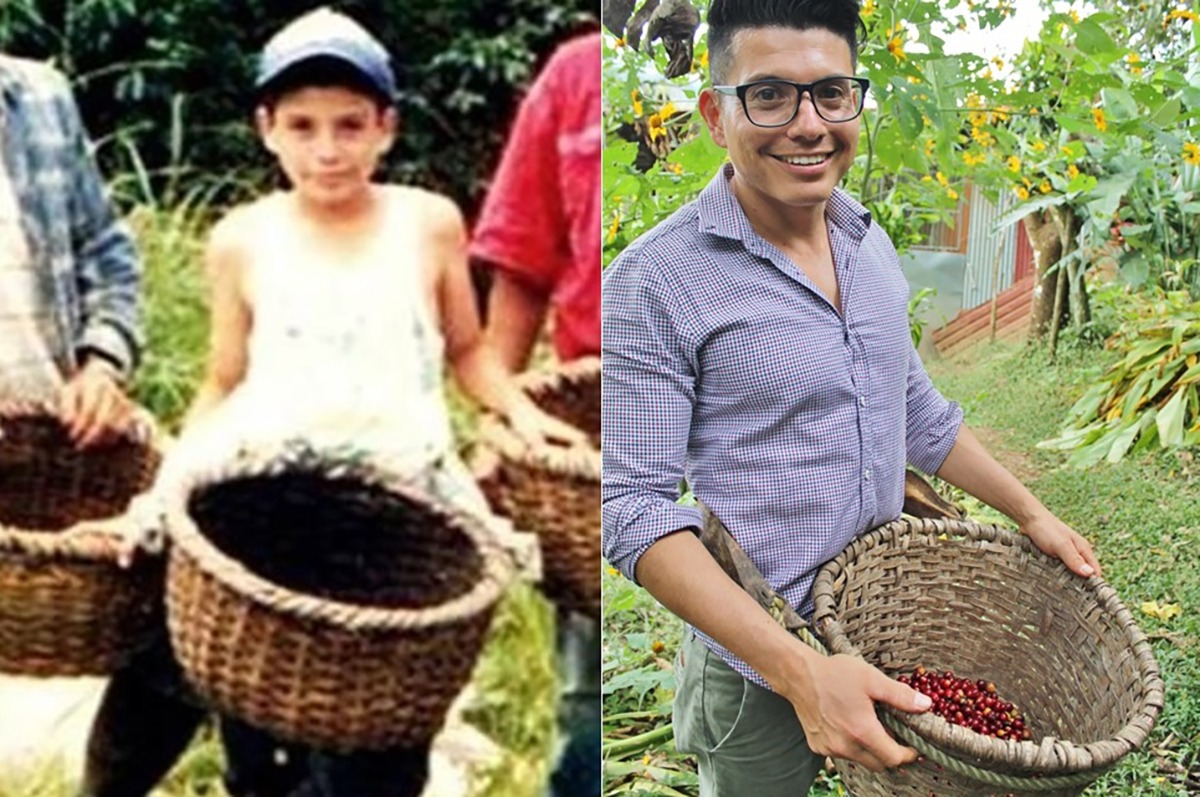
Meet Ricky: co-owner of this Costa Rica Travel Blog. Much of Ricky’s childhood was spent working as a bean picker at coffee plantations on the hills around Turrialba, a Costa Rican town geographically and figuratively sandwiched between the bustling capital city of San Jose and the laidback Caribbean coast. Every once in a while, Ricky will talk about his experience on the plantation, and when he does his stories bring smiles and sadness to my face. Some anecdotes describe moments of joy but others recall the challenges of the job and the physical and mental toll that it took. All serve as reminders that coffee production in Costa Rica (and in other countries) is intense work, and the success of the world’s coffee industry is a direct result of the strong will and work ethic mastered by the individuals who brave the plantations. Unfortunately, the fortitude of these coffee warriors is too often overshadowed by society’s romanticized, glamorous relationship with the brew. After all, it is easier to enjoy a cup of coffee when all focus is on baristas, latte art (designs drawn in cups with milk or cream), cute cafes, colorfully branded bags, and eye-catching coffee campaigns, not the heart-aching struggles of those who make all of it possible.
A typical workday on a Costa Rica coffee plantation
To give you an idea of what a Costa Rican coffee bean picker’s work entails, Ricky recounts the typical workday from his experience:
I would rise early, between 4:00am and 4:30am, so I could prepare breakfast and lunch for the day. Because work on the plantation started before the local bus began its daily service, I would walk a half-hour, in the dark, along the side of a well-traveled highway to reach the plantation. If I could, I’d hitch a ride on the back of a cow truck when one passed by.
At the coffee plantation, sticks in the ground marked each picker’s territory across the plantation. Divided into long columns that ran from the side of a road up to the top of the plantation, each plantation section contained incredibly steep slopes. Grasping the coffee bags that I received from the plantation manager at the start of the work shift, I hiked up my section in search of the perfect spot to stash the bags and my lunch. I sought out poro trees; their leaves provided protective shade from the scorching sun and their branches were strong enough to support the weight of my lunch, which needed to hang above the ground so that wildlife wouldn’t enjoy it before I could.
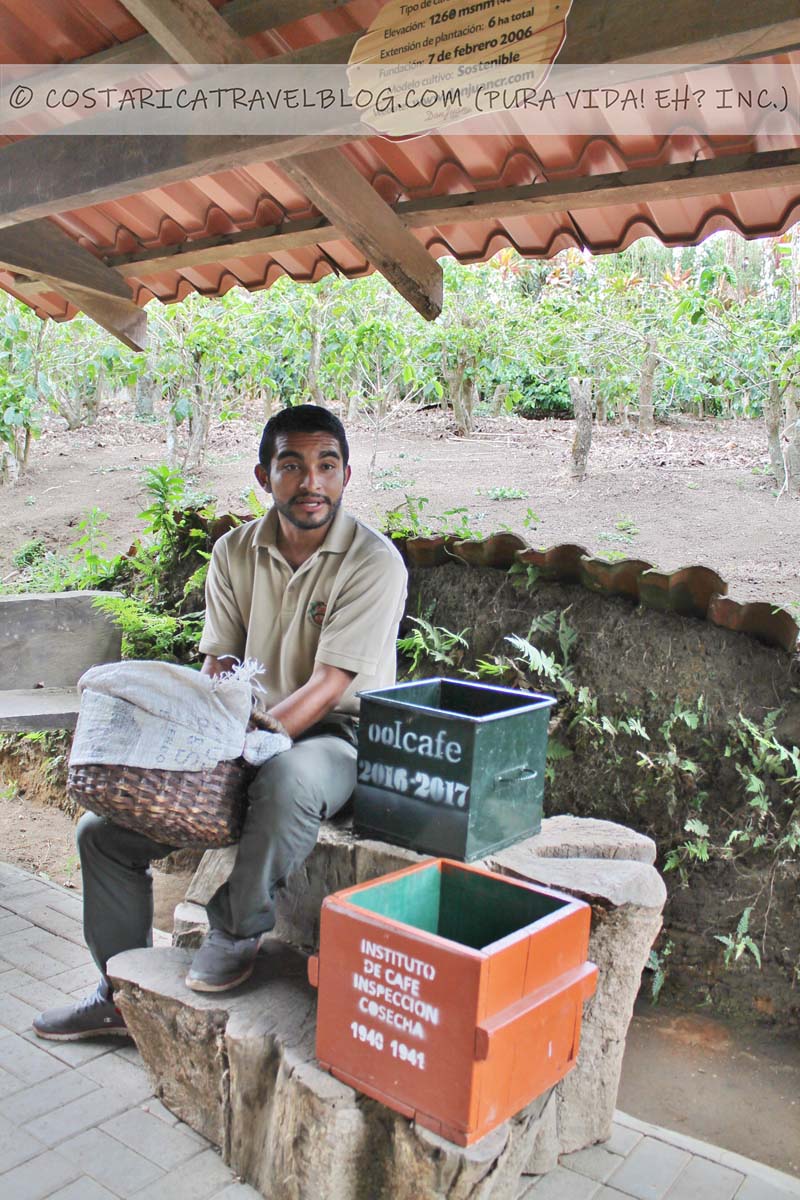
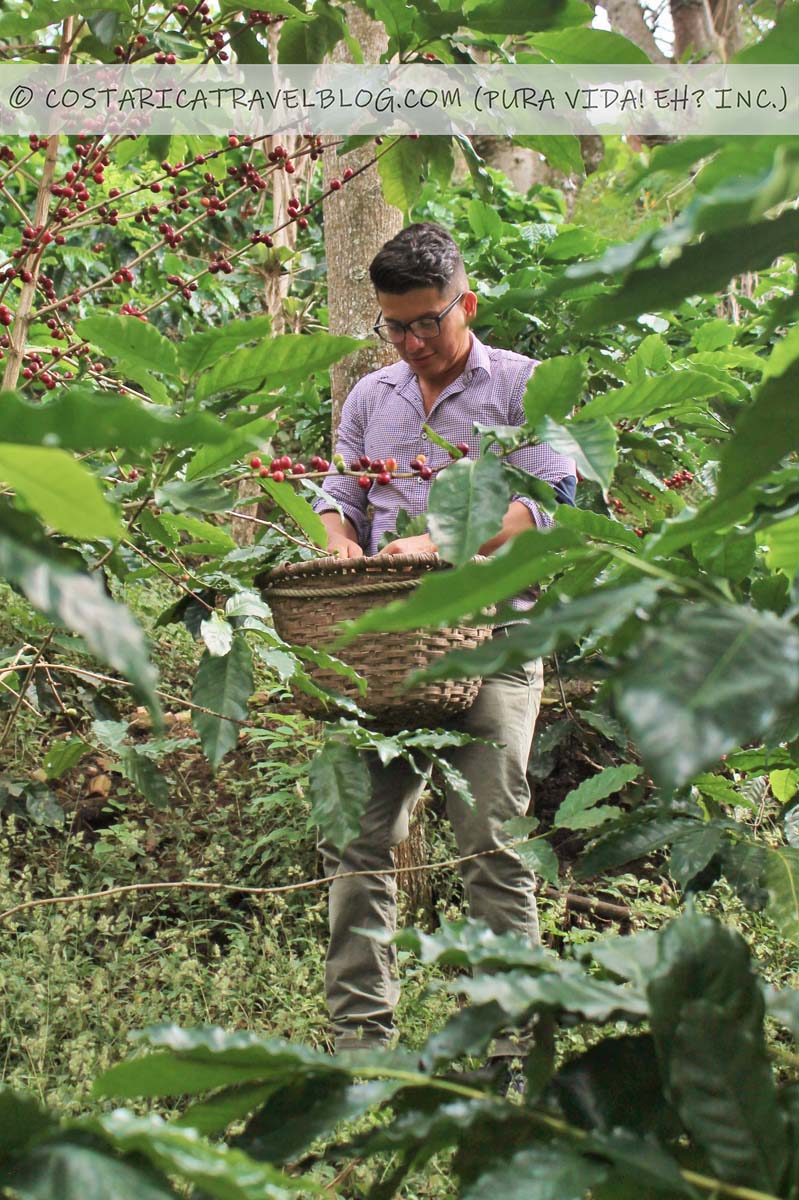
Most of the day was spent climbing up and down the plantation’s slopes in search of red and yellow coffee beans, and I was careful not to pick the unripe green ones; such irresponsible work would have been cause for termination. As I zig-zagged vertically across my section, collecting my income bean by bean, it was difficult to stay balanced with a large woven coffee basket tied to my waist. Every so often, when I filled the basket, I would return to the poro tree to transfer the beans into the coffee bags that I had stashed. Save for some midday relief for lunch, I practiced this bean-picking routine throughout the day until the coffee truck arrived, signaling the end of the work shift. Alongside my fellow workers, I lined up by the truck to dump my coffee bags into cajuelas, containers that measured the quantity of coffee beans that I had collected. As I recall, I earned 50 colones per cajulea, the equivalent of roughly 10 cents USD. On a great day, when I could fill 12-16 cajuelas, I’d go home with approximately $1.20-$1.60 USD in my pocket. Nowadays, the going rate for a cajuela is closer to $2.00 USD. Despite this increase, it is incomprehensible that a solid day of hard labor on a Costa Rican coffee plantation today is valued at a measly $24.00-$32.00 USD.
An unsettling reality about working at a Costa Rica coffee plantation
One of the most unsettling realities of working in Costa Rica’s coffee industry is the lack of job security. Coffee plantation work is seasonal and highly weather dependent, and because Costa Rica’s coffee season typically only runs for three or four months every year in any give region, bean pickers have local work for only a few months annually. (To obtain additional work, they must leave their family and temporarily relocate to a different part of Costa Rica so they can pick beans at plantations there during that region’s coffee season.) Furthermore, not only is a bean picker’s window for work limited, the amount of their take-home pay may also be limited if a coffee season doesn’t provide a good crop. That’s because a bean picker’s income is determined by the number of cajuelas they fill, not the number of hours they work, and that number is dependent on the number of ripe beans that are available to be picked.
The physical and mental toll that it takes to work at a Costa Rica coffee plantation
Working at a coffee plantation in Costa Rica (or anywhere in the world, for that matter) isn’t easy; it requires early starts, tiring physical labor, and sometimes, depending on where the plantation is located in the country, significant time spent away from one’s family (possibly several months).
Bean pickers face particularly grueling challenges. For one, Costa Rica’s weather and its extremes, from scorching dry heat to torrential downpours of rain. Additionally, the physical work of picking beans on the plantation, which is strenuous on the body; it requires hours of standing on and climbing steep inclines and declines, carrying large and heavy baskets and bags, reaching up high and bending down low to access plants, occasionally getting poked in the face by branches and banging knees on rocks while kneeling, and calling it a day with sore, cut, and raw-feeling fingers from the constant contact with beans. Mosquitoes, wasps, and snakes make regular appearances, and medical assistance is far from reach when needed. Perhaps most inhumane, back when Ricky worked at a coffee plantation, bathrooms weren’t provided and workers were forced to enter the surrounding forest or find a secluded area to relieve themselves. I’d like to think that all plantations nowadays provide bathrooms for their workers, but even if they have since advanced in that regard, the other physical challenges that bean pickers face remain unsettling concerns.
From a mental standpoint, it can be incredibly difficult to put so much of your time and effort into a job that delivers little pay. It can also be wildly stressful to have your performance-based income be entirely weather dependent. When your worth, your financial stability, and subsequently your lifestyle are all determined by your output but your output is completely dictated by a force beyond your control, surviving is a struggle and thriving is impossible.
A lasting impression from Ricky’s Costa Rica coffee plantation work experience
A few years ago, Ricky and I returned to one of the Costa Rica coffee plantations that he worked at as a child, and he stood at the exact location where the photo above (at the start of this article) was taken. After years of working as a successful (and award-winning) white-water rafting tour guide and safety kayaker, and now with nearly two decades under his belt as a business owner, it is humbling to remember the work experience that first taught Ricky how to be responsible, how to work hard, and how appreciate the value of a dollar. One thing that will never change regardless of the work he takes on in life is his ability to see the silver lining in everything (that’s part of the pura vida in him). Our return to the coffee plantation brought back a flood of memories for Ricky, surely countless of them difficult ones, yet he had nothing but positive things to say about the time he spent there. Ricky explained that everyone who worked on the plantation was happy: happy to be working and happy with life in general. He said some people were quiet workers but that their silence didn’t reflect sadness, it reflected their stern focus on performing well so they could provide for their loved ones. Ricky also shared that sometimes workers, himself included, would compete with coworkers to see who could fill the most baskets and bags, helping to make the work more enjoyable and even fun. Older workers would share stories about their families and sing, and at lunchtime, groups of workers would gather, flip over their baskets to use as seats, and share yuca, sausage, or plantain with one another.
Truly, Ricky’s ability to speak about the arduous job with such lightness and even fondness is a testament to his strength and his ever-positive mindset. So, to honor him and every person who has worked at a coffee plantation, the next time you enjoy your beloved brew (ideally a fairtrade variety to support the fair treatment of coffee growers, although that fairness doesn’t always trickle down to plantation workers like bean pickers, unfortunately), don’t ignore what it took for you to get it but also don’t feel guilty about the same. Just humbly accept that your coffee exists and take a moment to mentally acknowledge the warriors that helped produce it.
Photos from some of our experiences with Costa Rica coffee plantations and shops
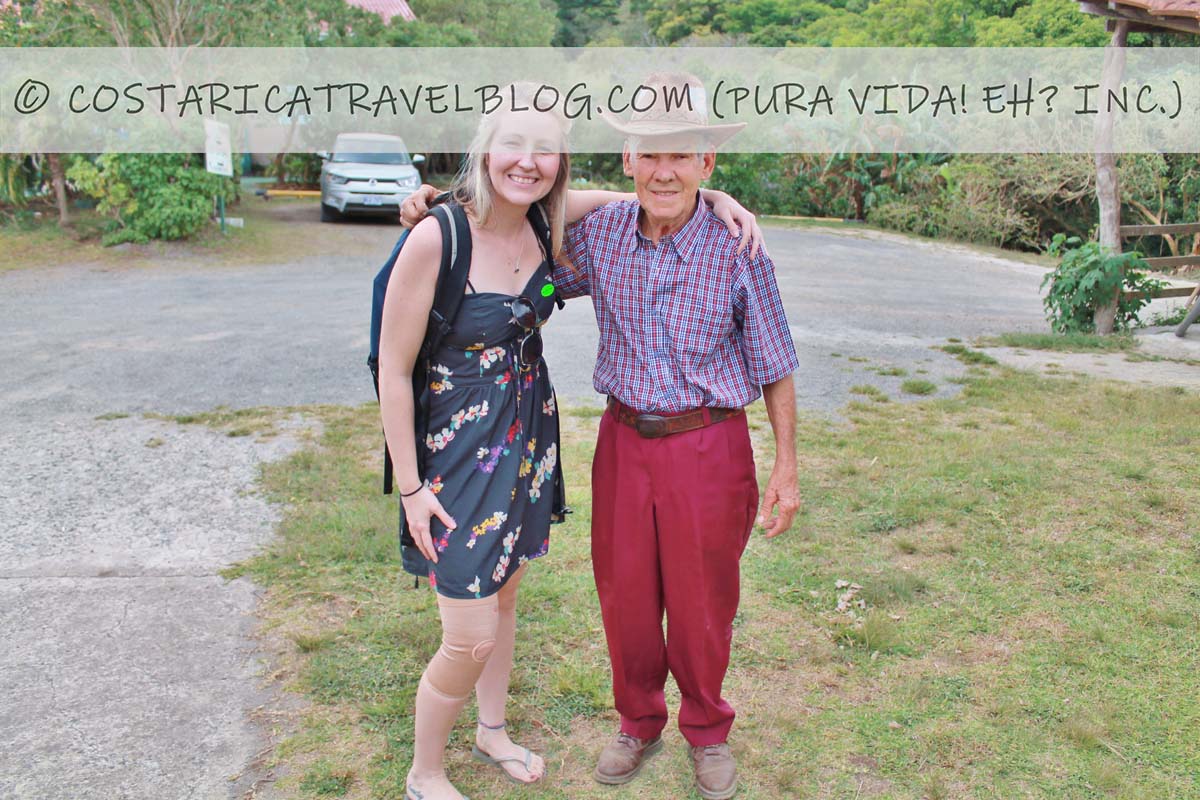
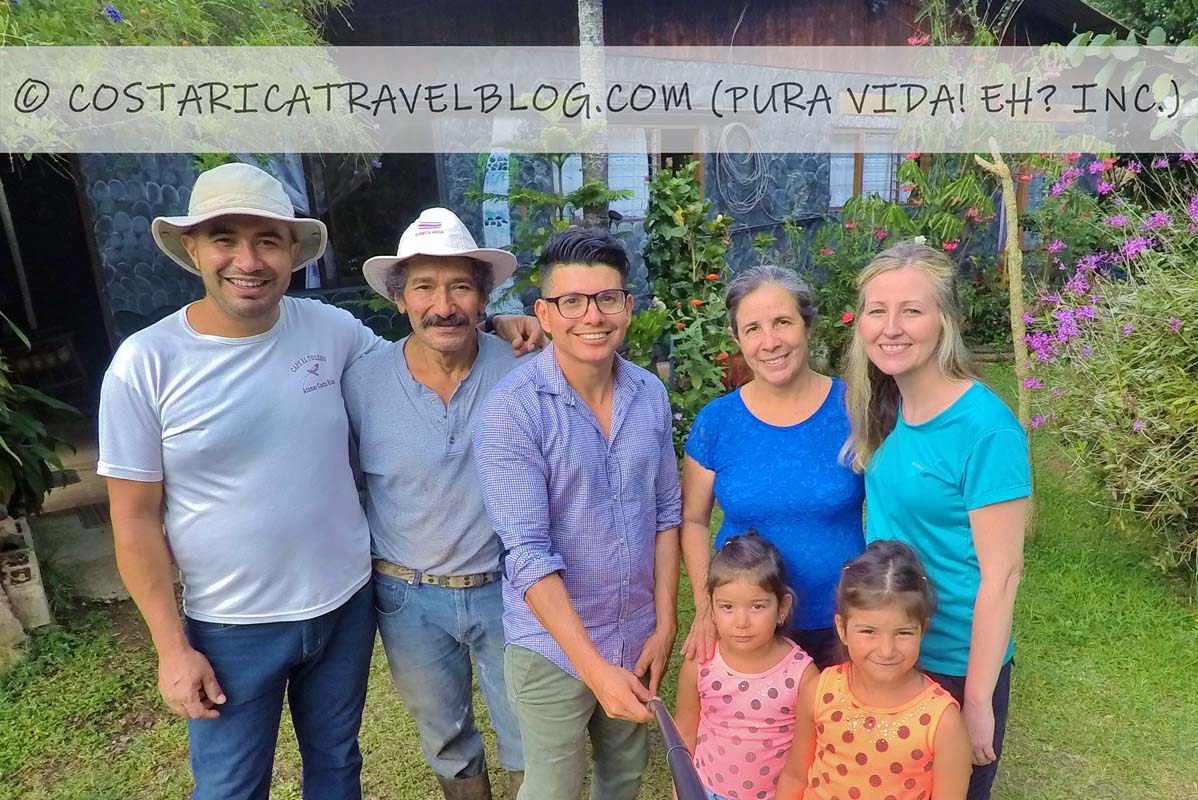
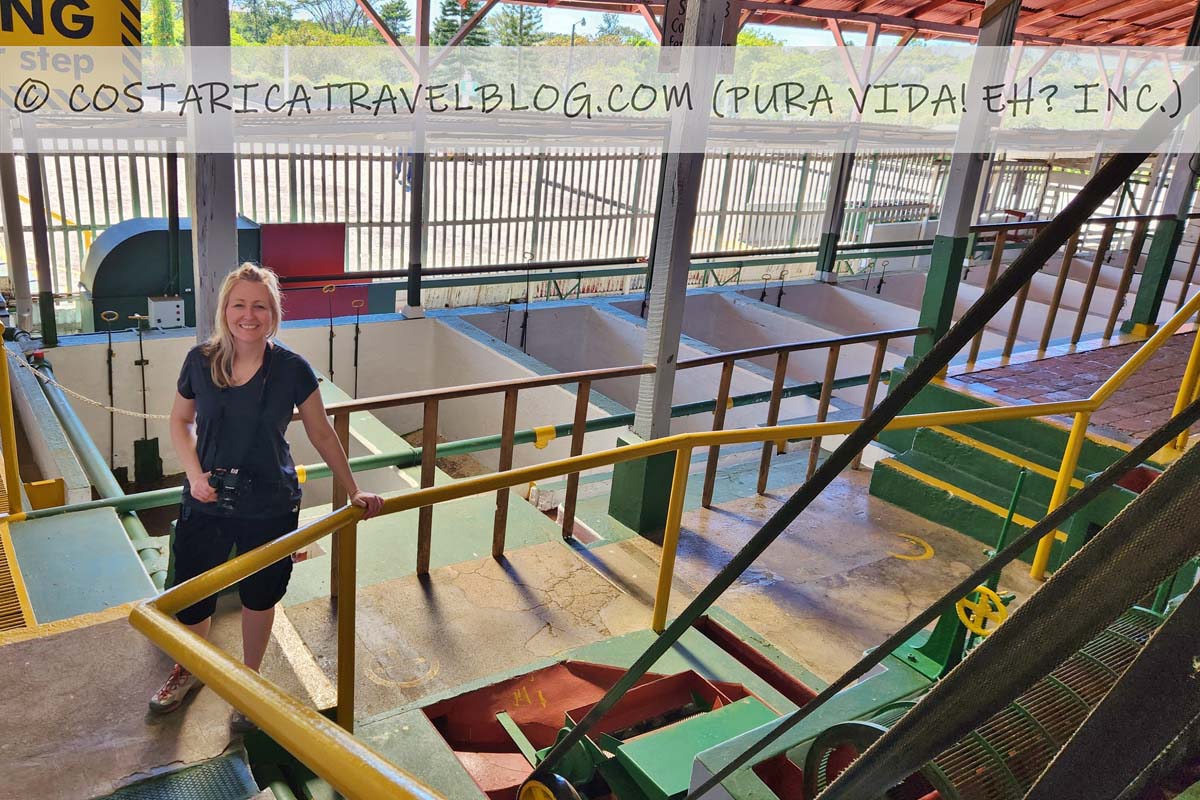
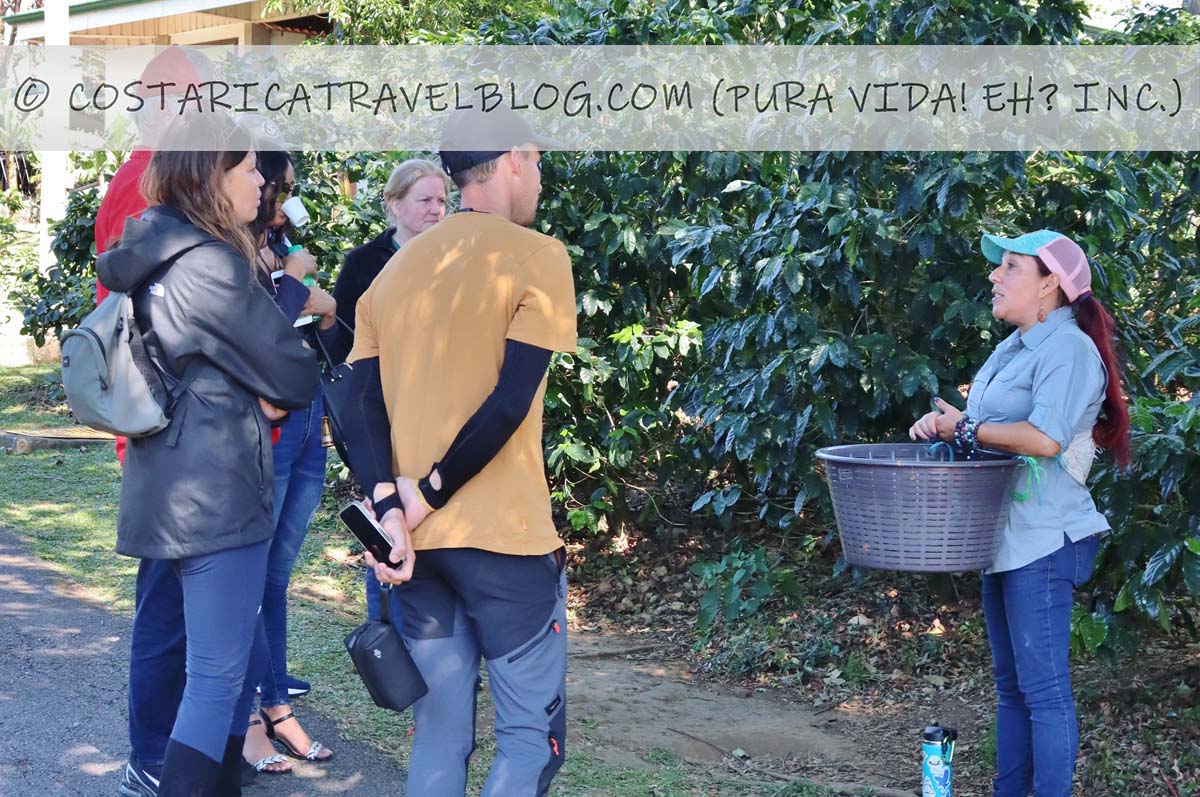
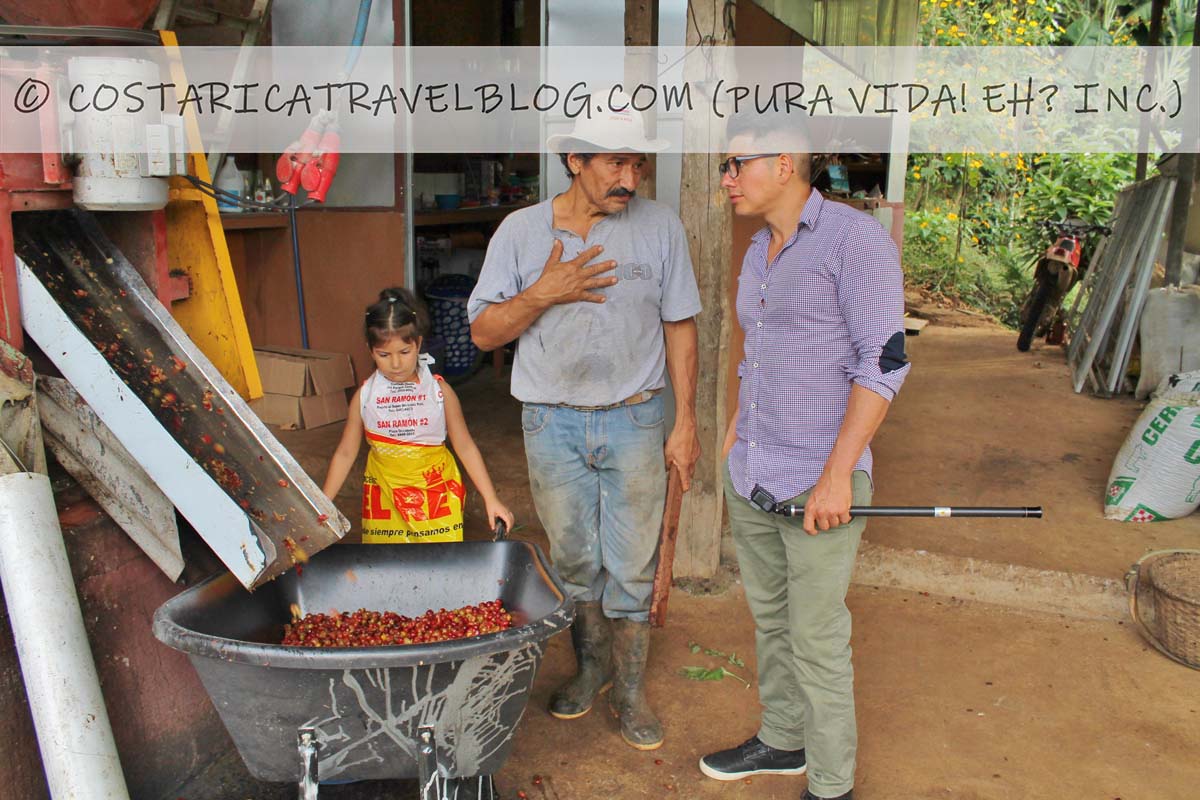
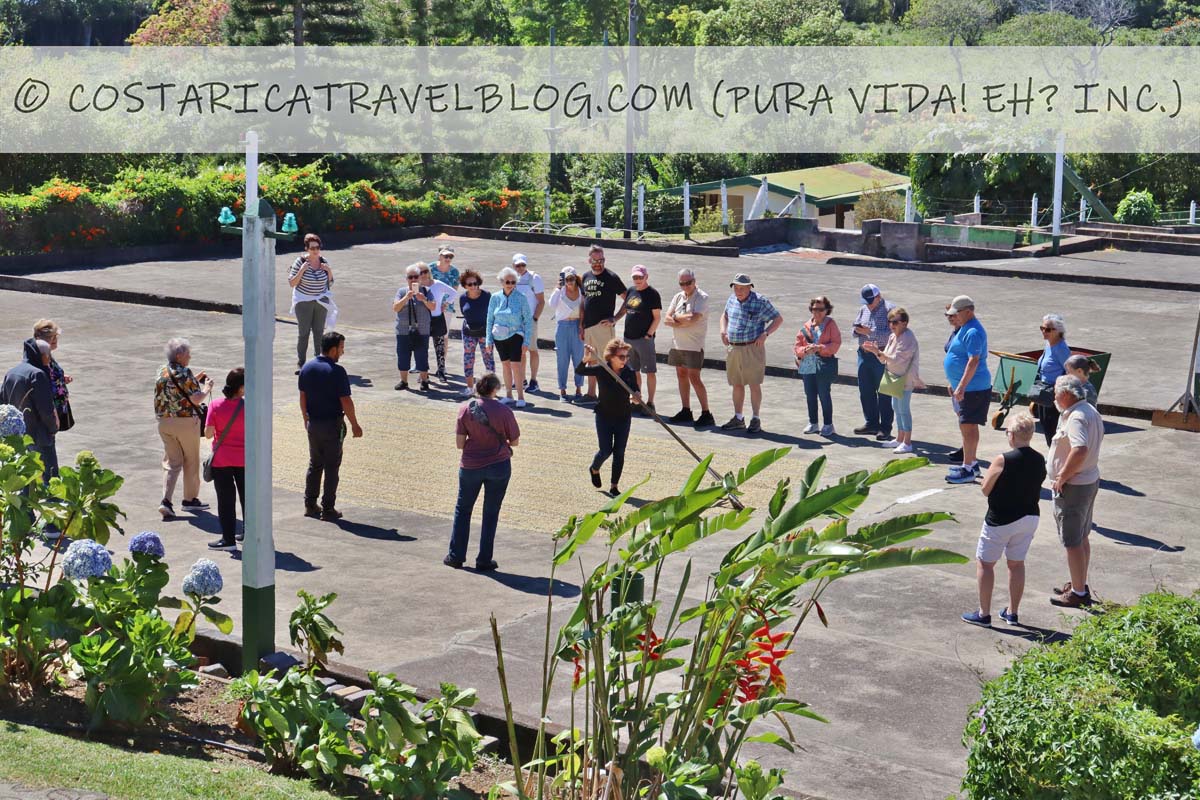
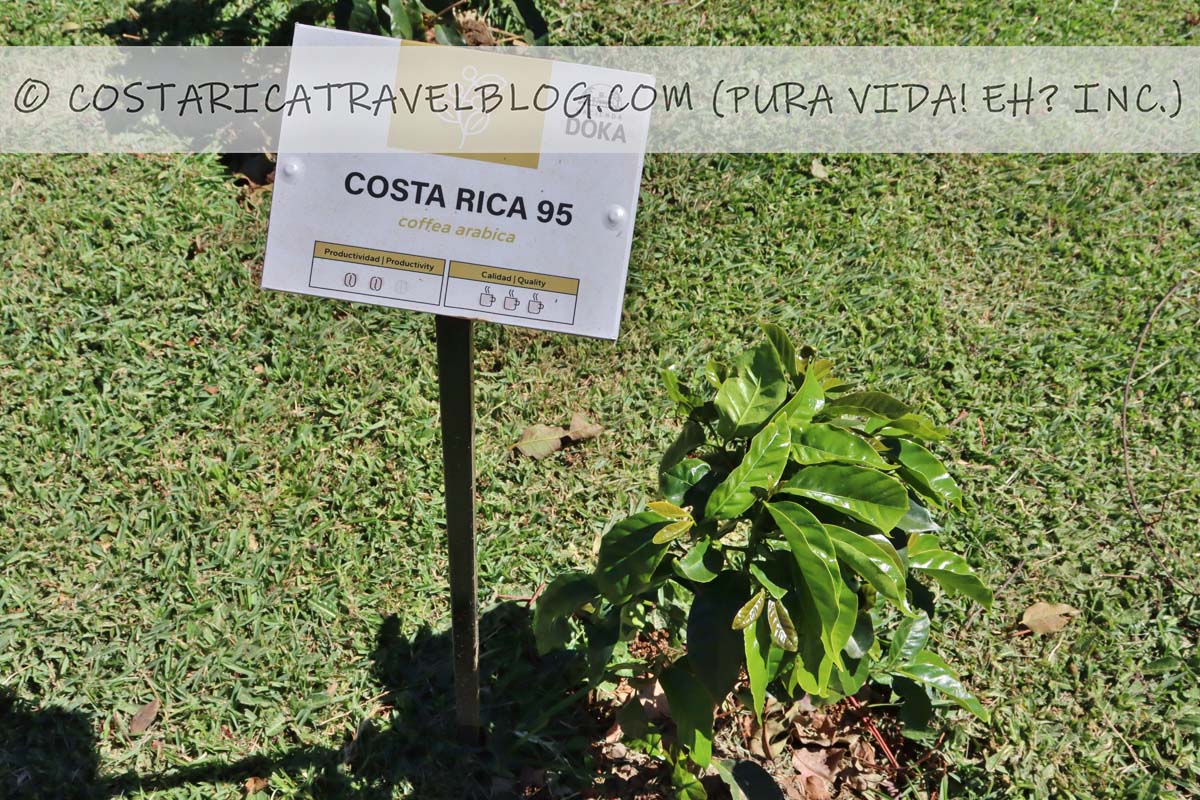
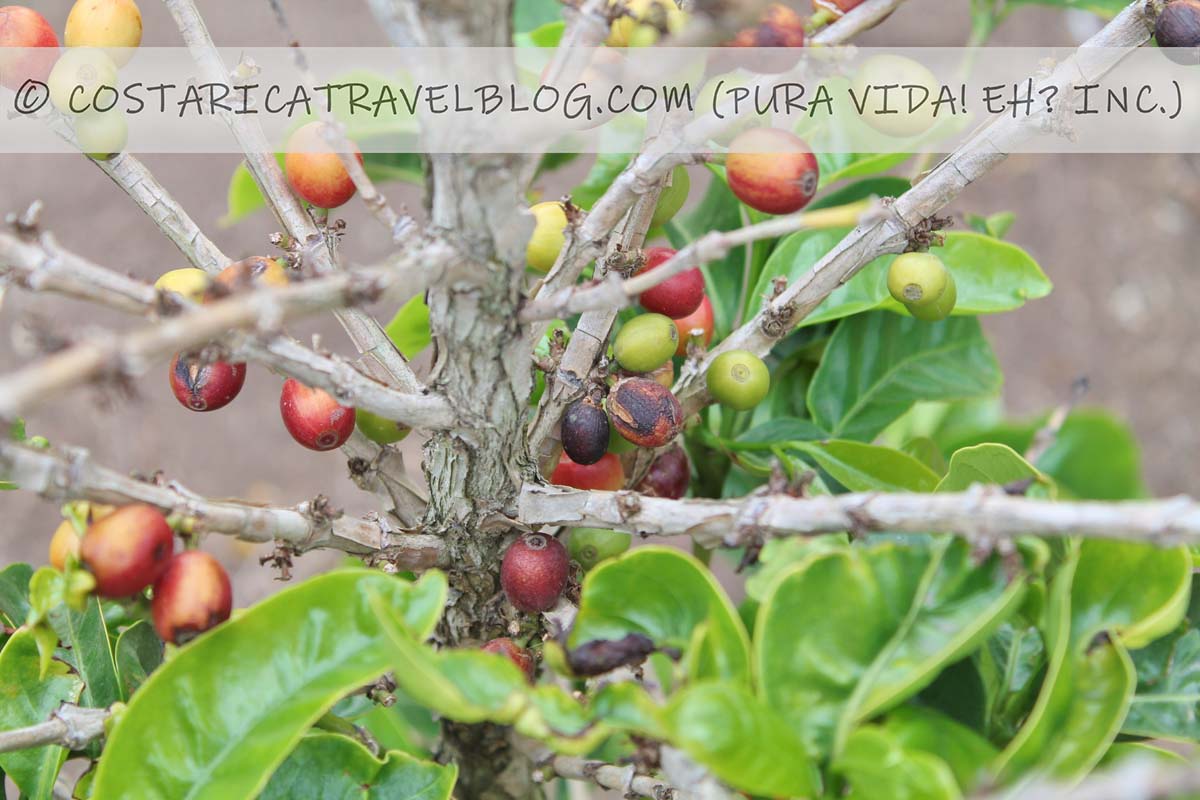
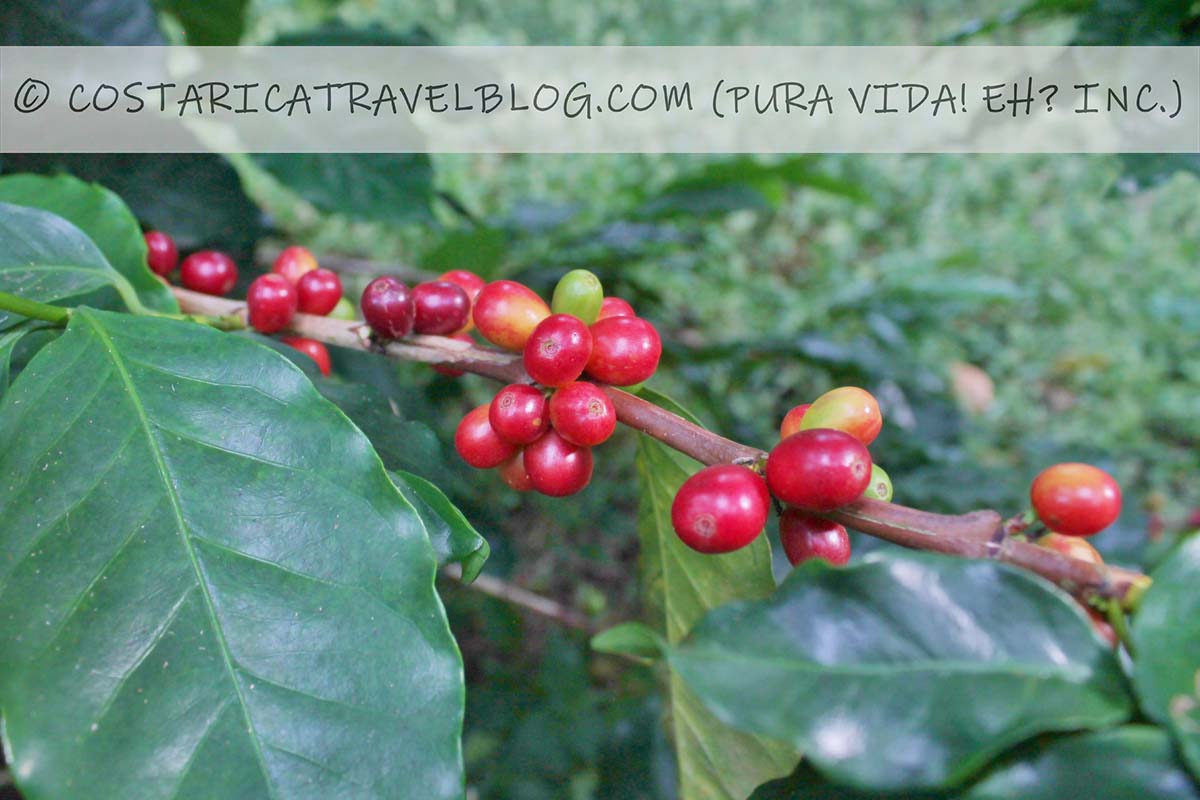
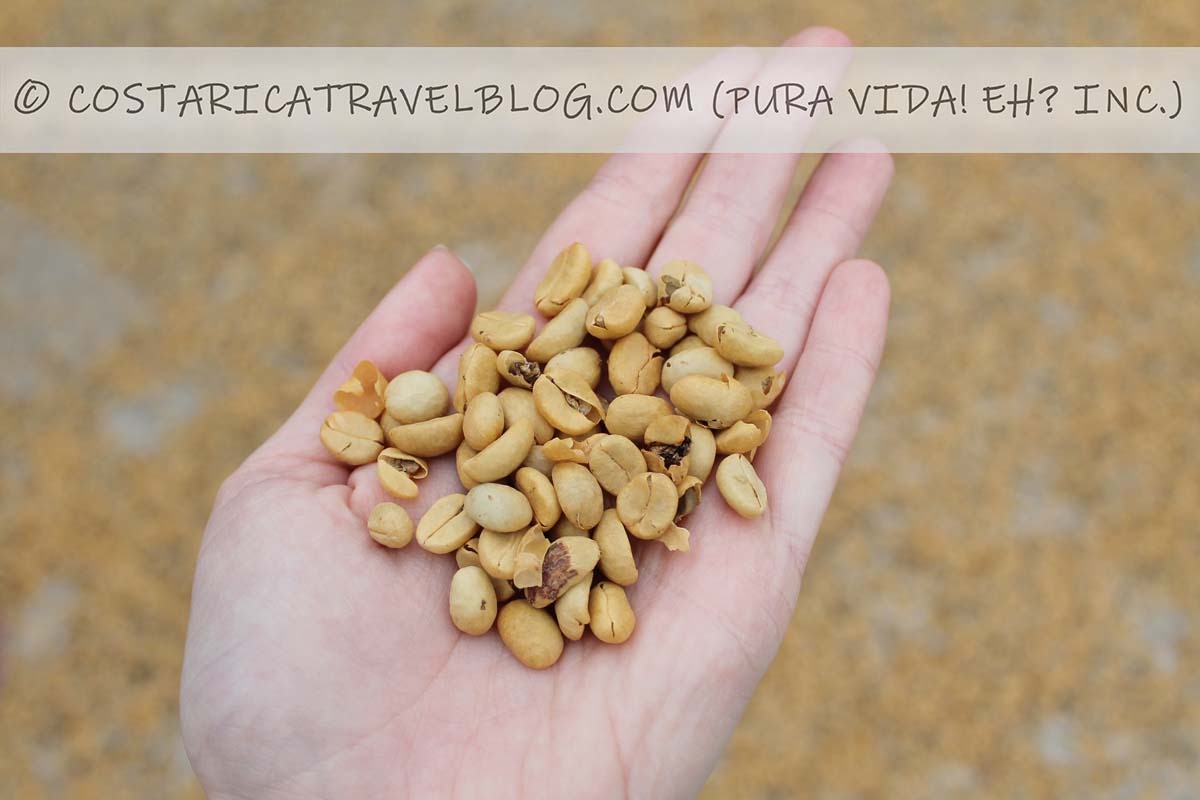
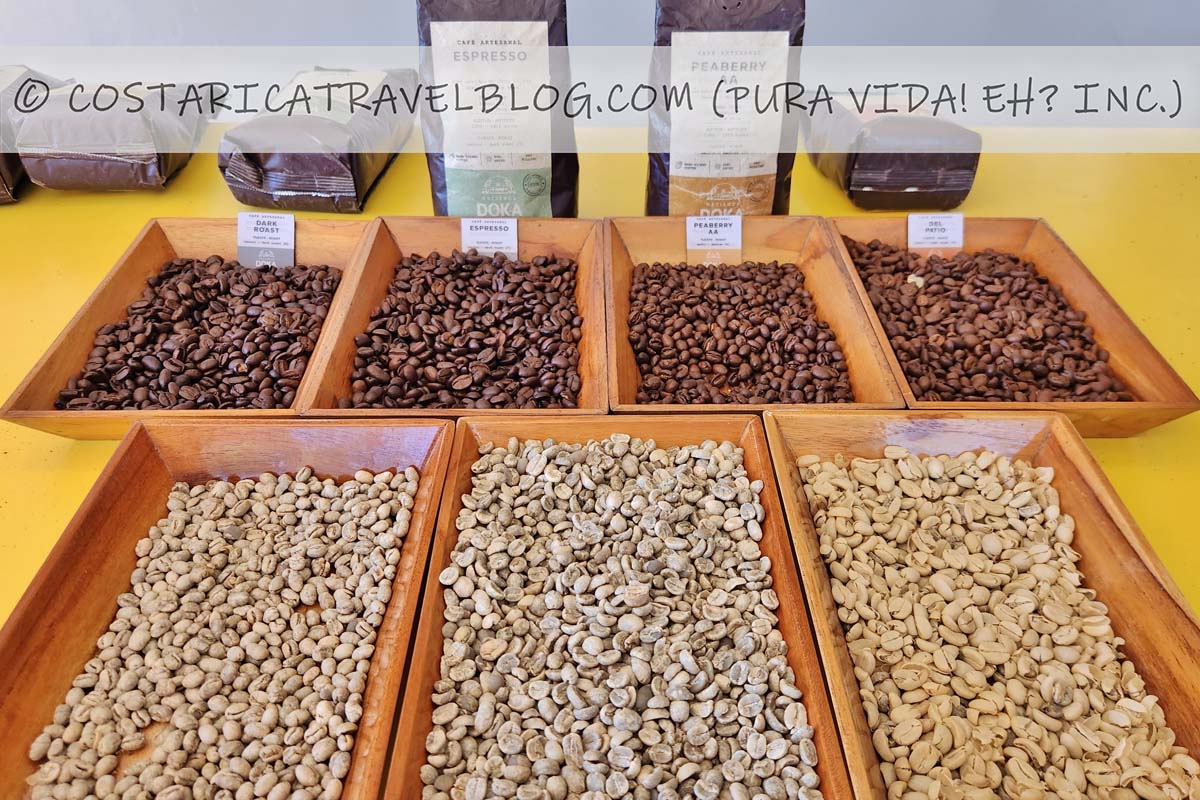
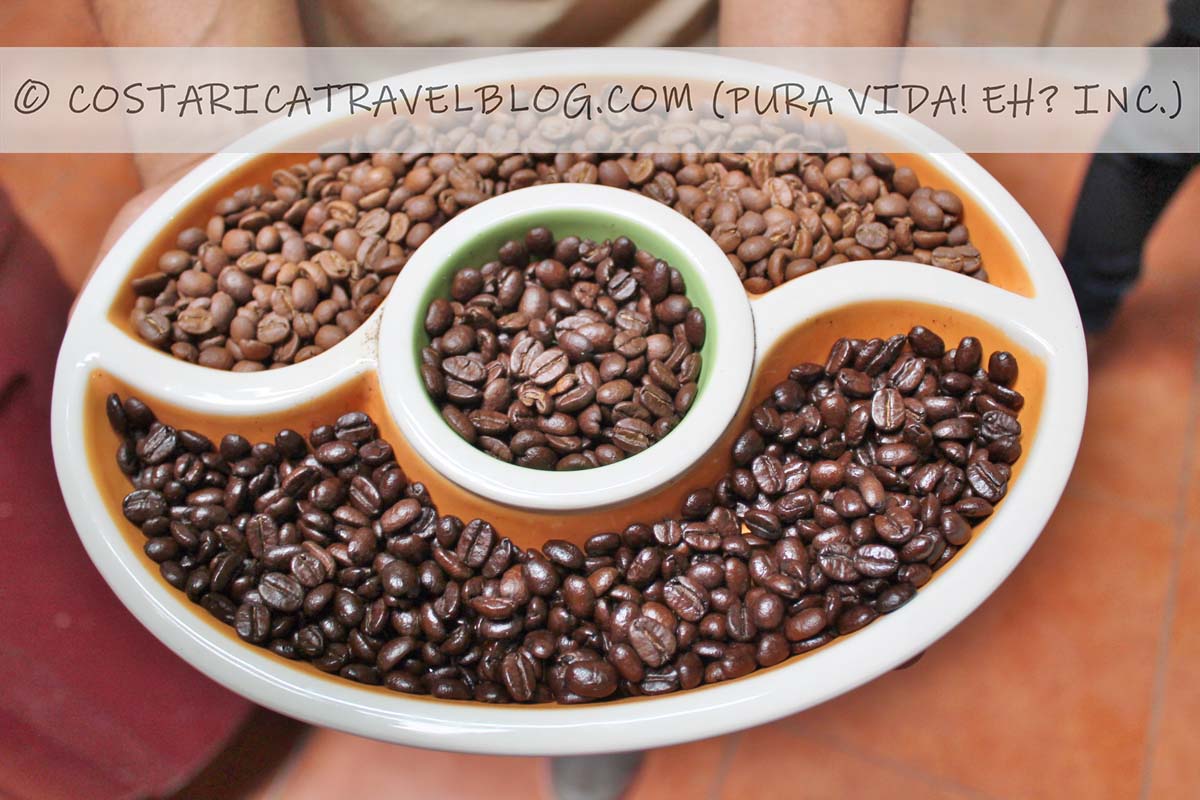
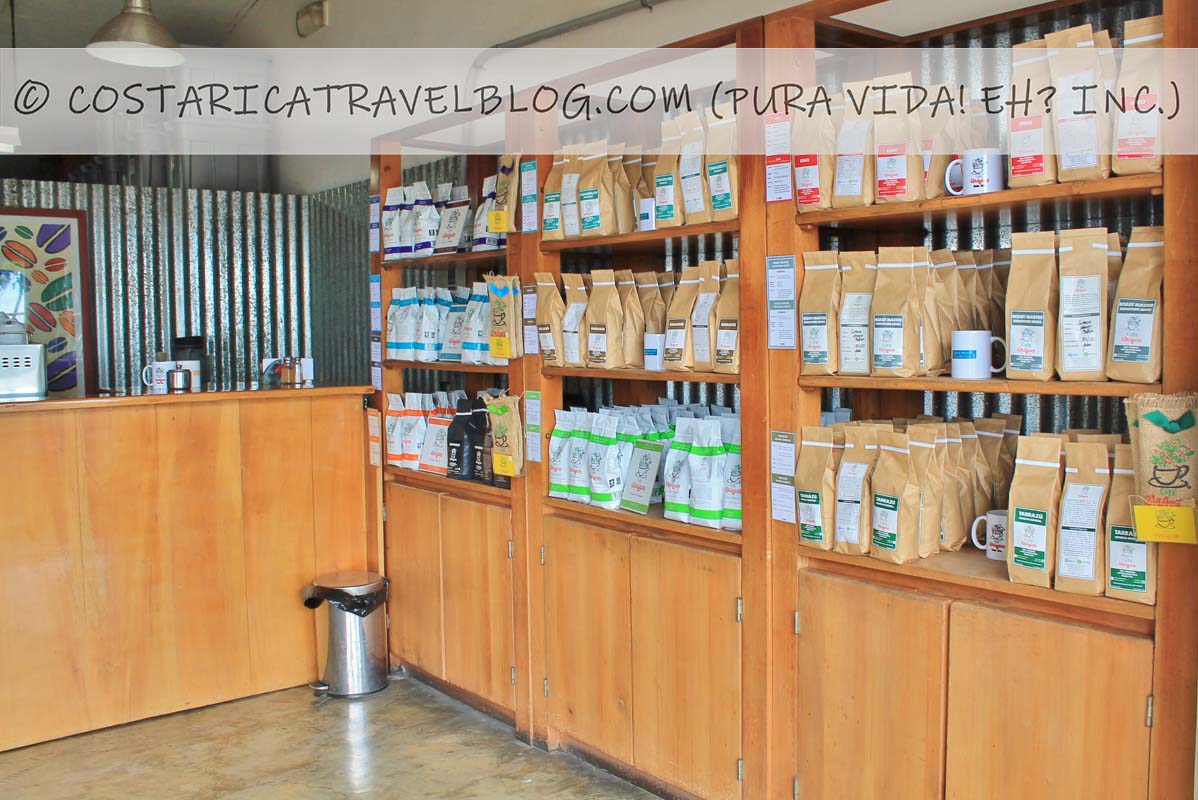
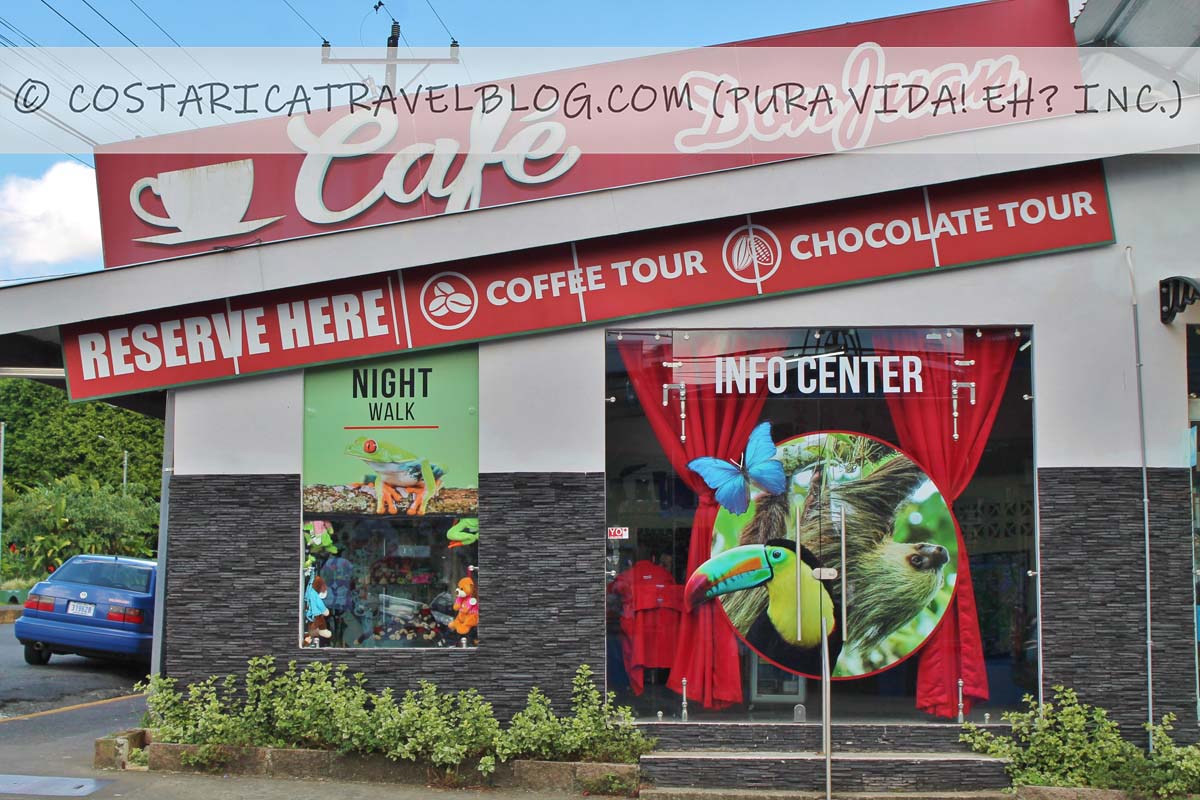
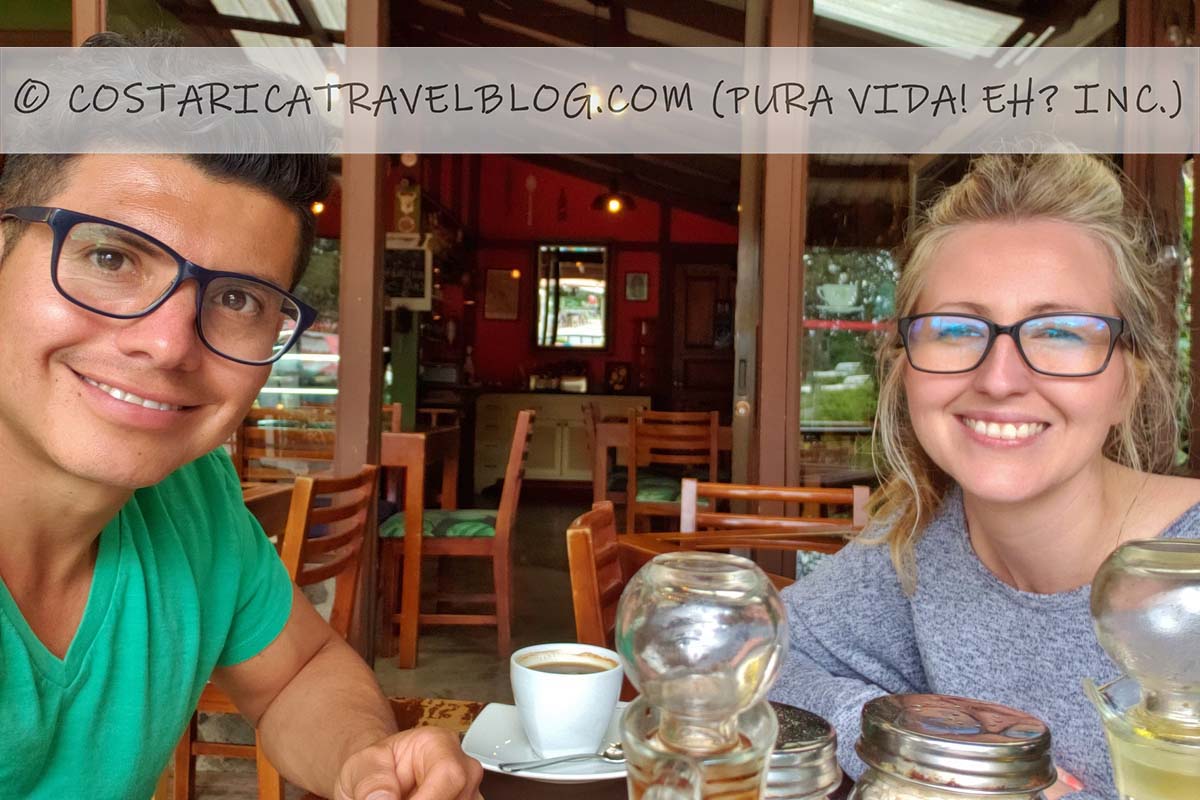
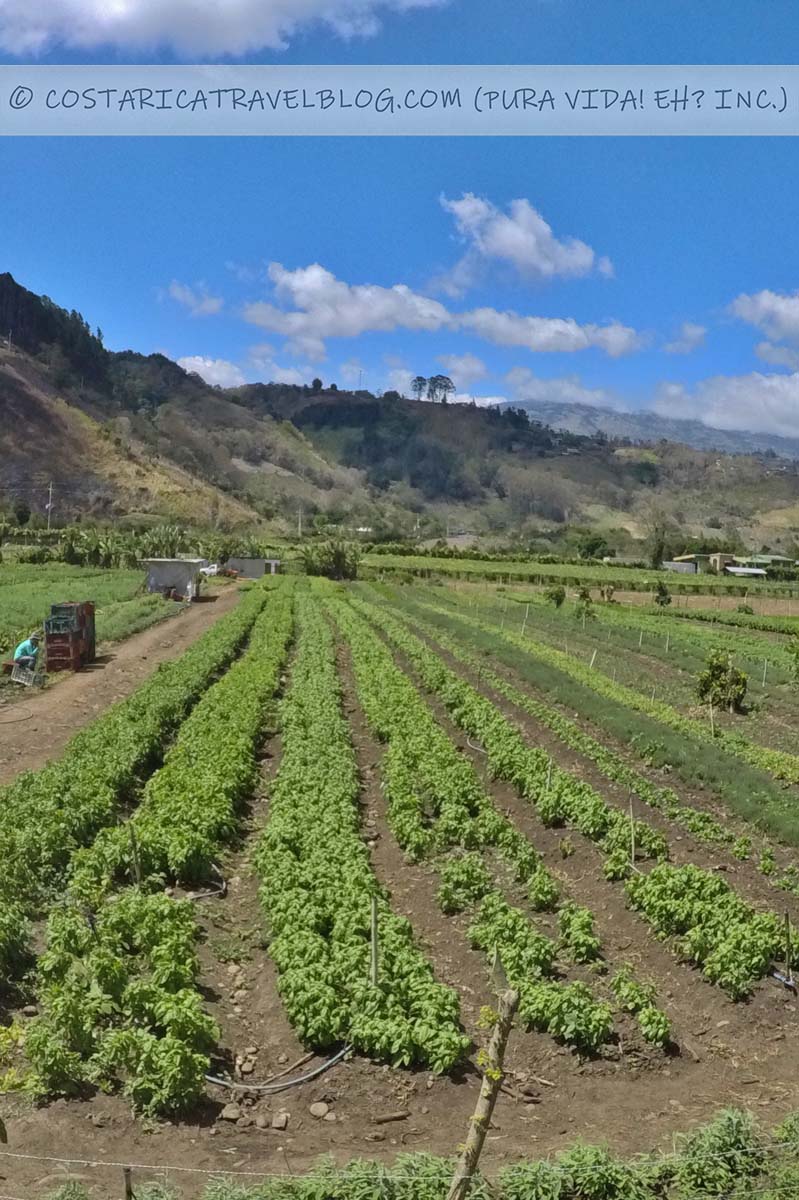
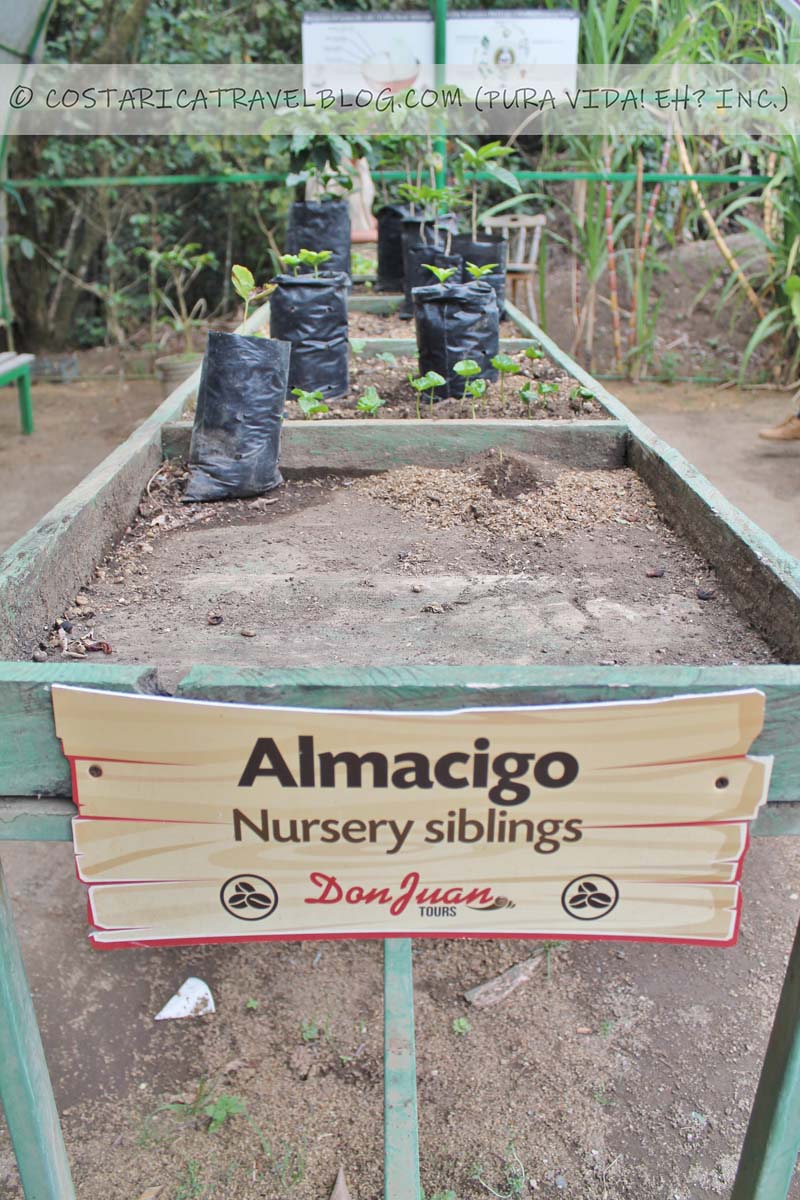
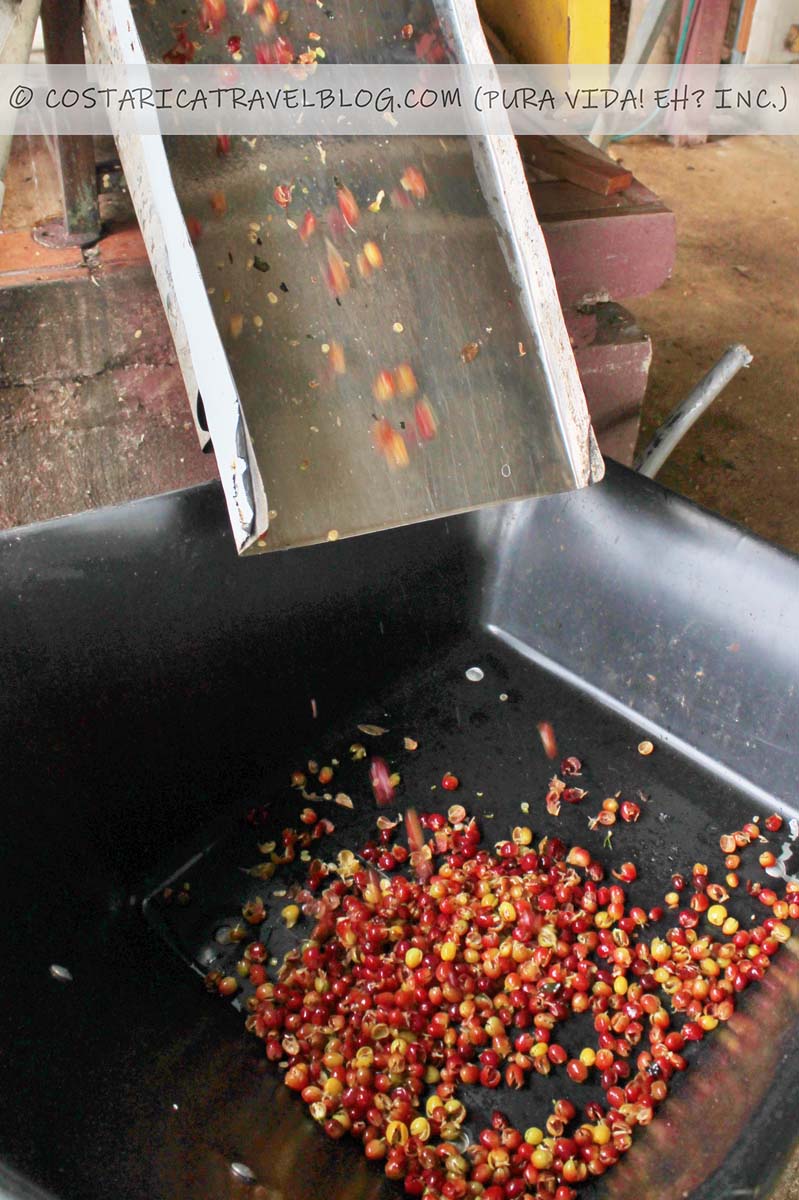
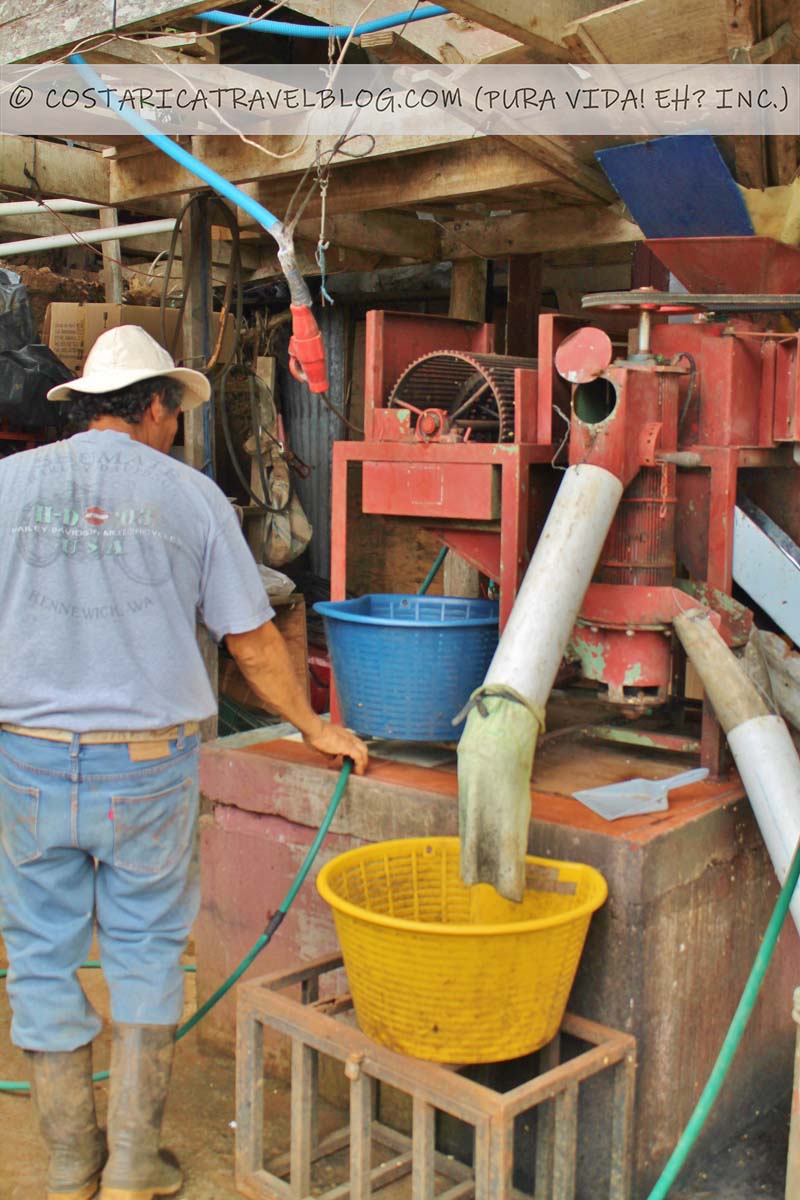
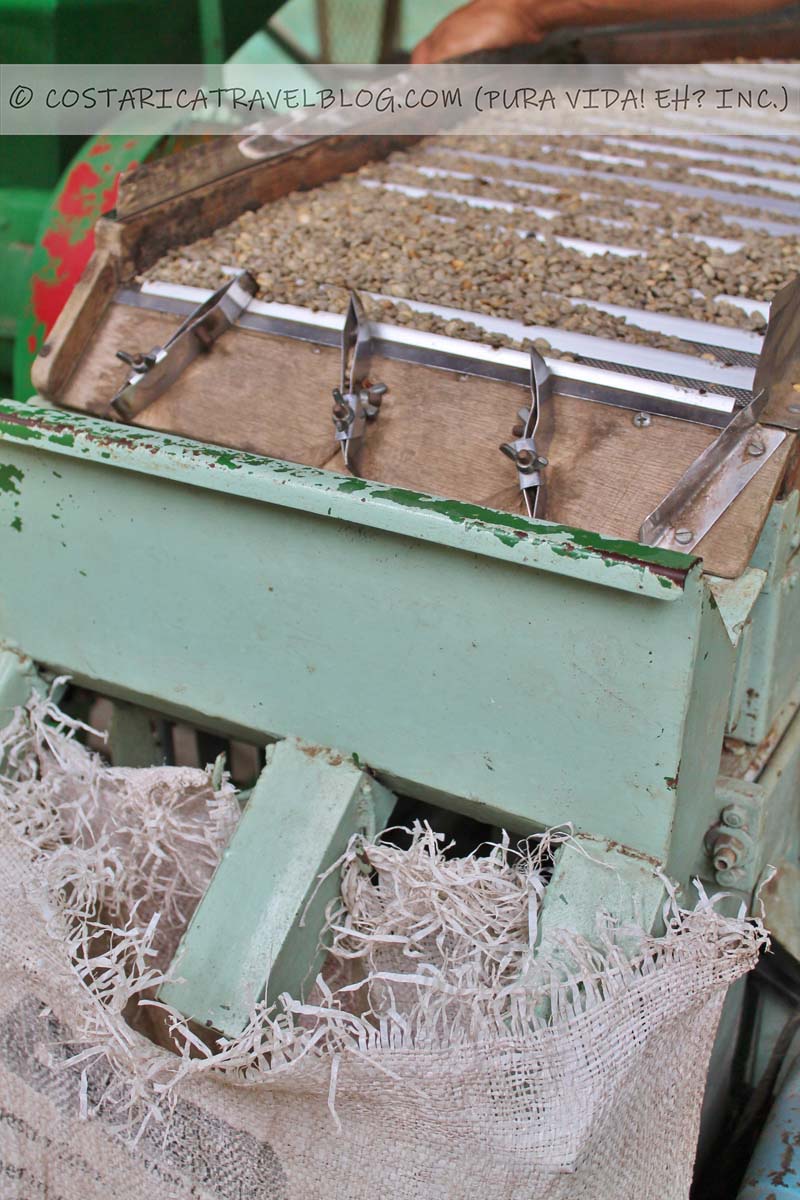
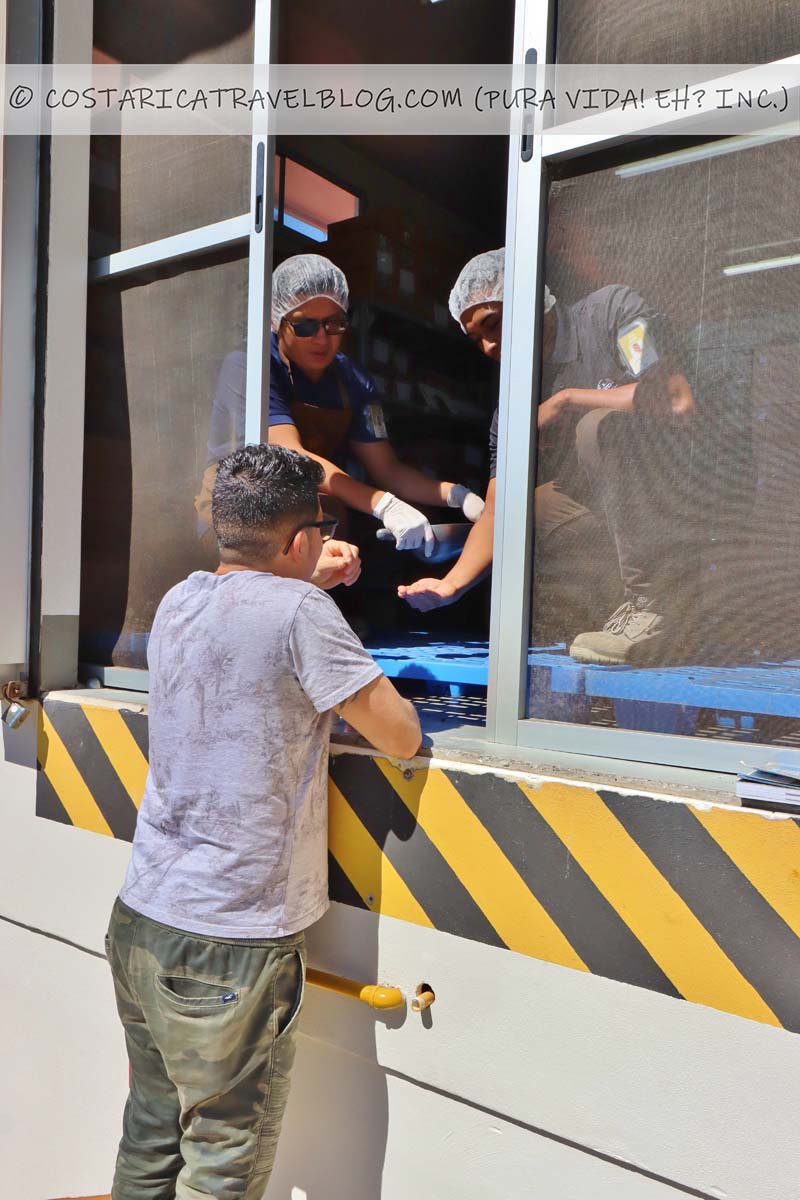
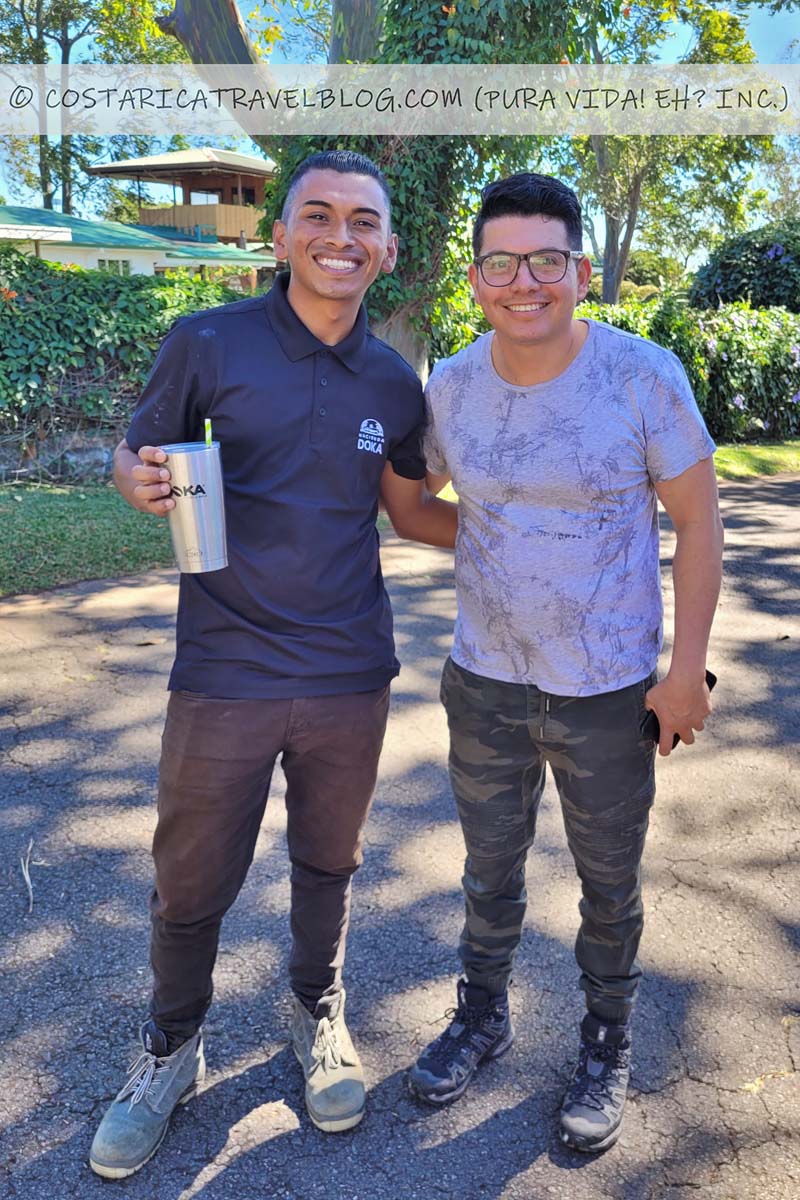
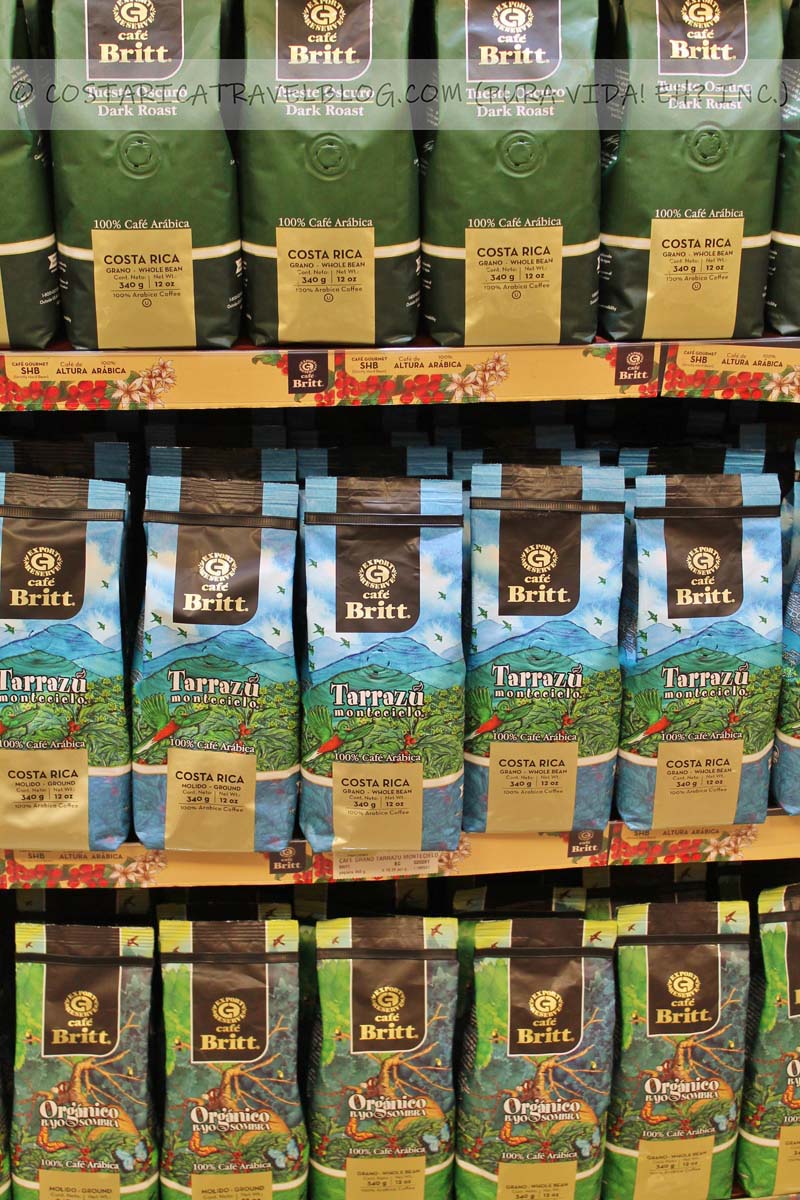
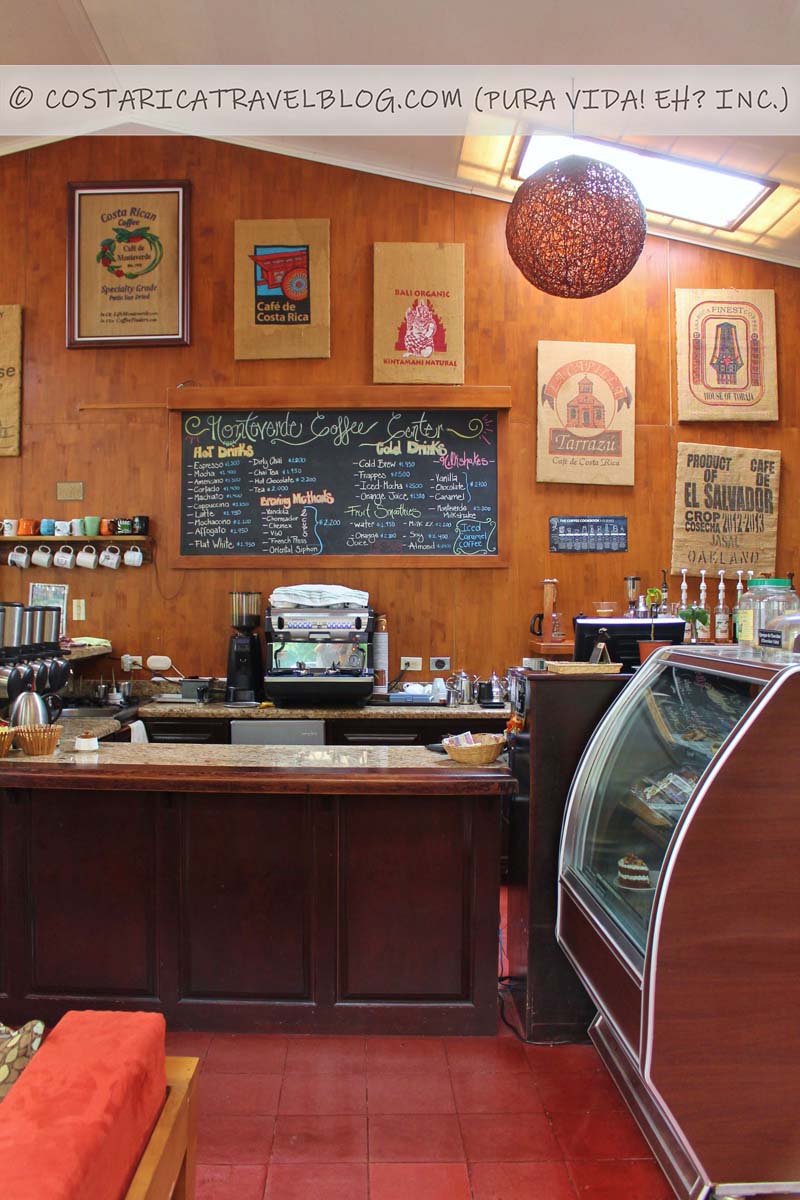
Coffee tours are all the rage in Costa Rica because plantations, where some coffee tours take place, dot the country. Below are some of the photos we’ve taken during our visits to various Costa Rica coffee plantations (or photos of other coffee-related subject matter).




Pura vida!

Hey, Costa Rica Travel Blog reader, thank you for visiting and reading our blog! We're truly grateful for your time and preference.
Do you know that your spam-free reading experience is most important to us? Unlike some other Costa Rica blogs, we do not to sell your personal information, and we choose not to display ads, sponsored content, or affiliate marketing on our blog so we can keep your visit as distraction- and junk-free as possible. Because we prioritize your privacy, we don't earn money when you visit us, when you sign up for our e-course, or when you click on our links, which means the time and work we put into this blog—including its 300+ articles—is entirely voluntary! If you find our content valuable, and you'd like to thank us for making the trip-planning process easier and your Costa Rica vacation more enjoyable, please consider making a small donation ($1, $2, $3, or an amount of your choosing) to our blog. Doing so is a great way to pat us on the back if you feel we deserve it. 😊 Pura vida, amigos!

Click on the button above to donate through PayPal. (If you cannot see the PayPal button above, click here.) A PayPal account is not required to make a donation; credit and debit cards are also accepted. PayPal donations are confidential; we never see your payment details.
Love our blog? Check out our other Costa Rica-related projects, too:







Tagged: coffee, costa rica, costa rica coffee, costa rica travel, costa rica vacation, costa rican coffee, costa rican culture, culture, humility, nature, plantation, rainforest, tourism, travel, vacation